
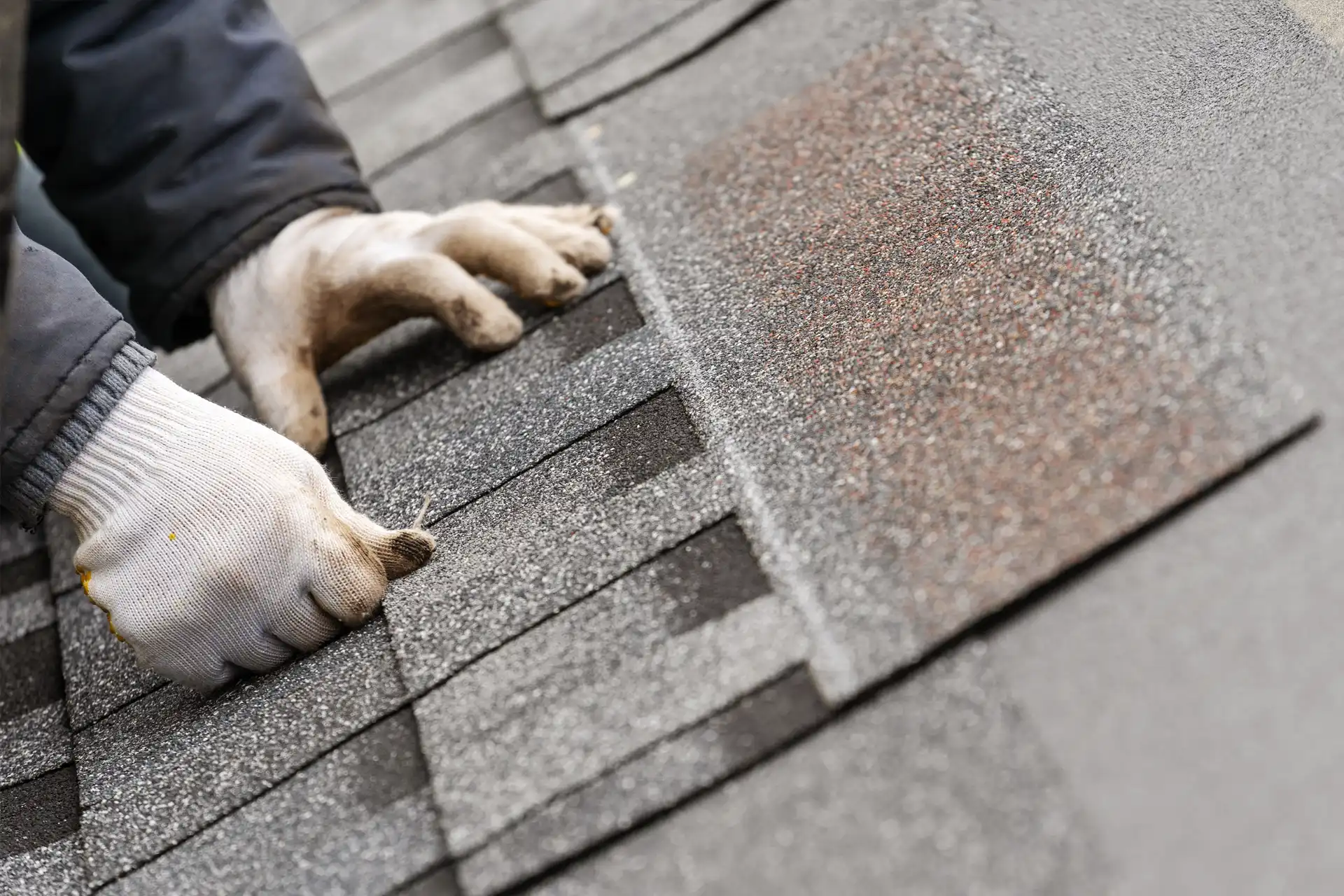
Roof Repair vs. Roof Replacement: How to Know Which Option Is Right
Not every roofing issue means you need a brand-new roof. In many cases, a timely repair can restore your roof’s performance and help you get more life from your existing system. In other situations, replacement may be the better long-term investment, especially when damage is widespread, recurring, or tied to the age of the roof.
The right choice depends on several factors, including your roof’s age, material, condition, repair history, and the extent of the damage. At Alta-Cal Roofing, we help homeowners throughout Central California make informed decisions with honest roof evaluations and professional recommendations. Our goal is not to sell you something you do not need. It is to help you protect your home with the solution that makes the most sense.
When Roof Repairs Make Sense
Roof repairs can be the right choice when the damage is limited, the roof is still structurally sound, and the repair will provide reliable protection without delaying an unavoidable replacement.
Damage Is Limited to One Area
Roof repair is often the right choice when the problem is isolated. A few missing shingles, a small leak, minor storm damage, or flashing that needs to be resealed may not require a complete replacement. If the rest of the roof is still in good condition, targeted repairs can be a smart and cost-effective solution.
Flashing repairs are especially common around chimneys, skylights, vents, and roof valleys. These are areas where water can enter if the seal has weakened or materials have shifted. Addressing these issues quickly can prevent moisture from spreading into the attic, insulation, or interior walls.
Your Roof Is Relatively New
The age of your roof plays a major role in the repair vs. replacement decision. If your roof was installed recently and the materials still have many years of expected service life, repairs are often enough to correct localized damage. Asphalt shingles, metal roofing, tile, and wood shake roofing all have different lifespans, so the material matters.
A newer roof that was properly installed and well maintained is usually worth repairing when the damage is minor. Replacement may not be necessary unless the damage is severe, widespread, or connected to an underlying installation problem.
Damage Hasn’t Reached the Roof Deck
Surface-level damage is usually easier to repair than damage that has reached the roof deck or underlying structure. For example, a cracked shingle or damaged piece of flashing may be repairable if the decking beneath it is still dry and solid.
Structural damage is more serious. If moisture has soaked into the decking, caused soft spots, or created sagging areas, a simple repair may not be enough. A professional inspection can determine whether the issue is limited to the surface or has affected the deeper layers of the roofing system.
Signs It’s Time for a Roof Replacement
Roof replacement may be the better choice when your roof shows multiple signs of deterioration. Multiple leaks, widespread shingle damage, sagging roof sections, visible water damage, and heavy granule loss can all indicate that the roof is no longer performing properly.
Moss growth can also be a concern, especially if it has spread across shaded areas and is trapping moisture against the roof. If your roof is nearing the end of its expected lifespan or has required repeated repairs over the years, replacement may provide better long-term value than continuing to patch one problem after another.
A roof that fails in several areas is often telling you that the system as a whole is wearing out. In that case, replacement can give your home stronger protection and reduce the risk of future water intrusion.
Comparing the Costs of Repair vs. Replacement
Roof repairs usually cost less upfront than replacement, which can make them appealing when you need a quick solution. However, short-term savings are not the only factor to consider. If repairs are becoming frequent, the total cost can add up quickly.
Replacement may cost more initially, but it can offer stronger long-term value. A new roof may improve energy efficiency, reduce emergency repair expenses, provide better warranty coverage, and increase your home’s resale appeal. It can also give you peace of mind knowing that your home is protected by a new system instead of an aging one with recurring problems.
The best financial decision depends on the roof’s condition. A professional evaluation can help you compare immediate repair costs with the long-term return on replacement.
Factors That Influence the Decision
Several factors help determine whether repair or replacement is the better option. Roof age is one of the most important. A younger roof with minor damage is often repairable, while an older roof with several weak areas may need replacement.
The roofing material also matters. Asphalt shingles, metal roofing, tile, and wood shake roofing age differently and show damage in different ways. The extent of damage, storm history, insurance coverage, and your future plans for the home should also be considered.
If you plan to sell soon, a new roof may improve marketability. If you plan to stay for many years, replacement may offer better long-term protection. Budget is also important, but the lowest upfront cost is not always the most cost-effective choice.
Why a Professional Roof Inspection Matters
A professional roof inspection helps uncover problems that may not be visible from the ground. Hidden moisture, damaged decking, weakened flashing, and early structural concerns can all affect the repair vs. replacement decision.
During an inspection, a roofing professional can evaluate the roof surface, check vulnerable areas, look for signs of water intrusion, and determine whether preventative maintenance could extend the roof’s life. Accurate repair recommendations are especially important because guessing can lead to unnecessary expenses or missed damage.
Alta-Cal Roofing provides honest evaluations so homeowners can move forward with clear information and confidence.
California Climate Considerations
Homes in Hollister, Gilroy, Salinas, Morgan Hill, San Jose, Monterey, and surrounding Central California communities face a mix of roofing challenges. Summer UV exposure can dry and weaken materials, while winter rain can reveal leaks and drainage issues. Wind can loosen shingles or push debris into roof valleys and gutters.
Tree debris can trap moisture, contribute to moss growth, and block proper drainage. Seasonal maintenance is important, especially before rainy weather arrives. In wildfire-prone areas, homeowners should also keep roofs clear of dry leaves, branches, and other combustible debris.
Because local conditions can affect roofing materials differently, working with a roofing contractor familiar with Central California can help you choose the right solution.
Frequently Asked Questions
Homeowners often have similar questions when deciding between roof repair and roof replacement, especially when cost, timing, insurance, and long-term value are part of the decision.
Can a roof be repaired instead of replaced?
Yes. If the damage is limited and the roof is otherwise in good condition, repair may be the best option.
Is it worth repairing an old roof?
It depends on the roof’s condition. Minor repairs may make sense, but repeated issues on an aging roof may point to replacement.
How many repairs are too many?
If you are repairing the same roof every season or dealing with multiple leaks, replacement may offer better value.
Does insurance pay for roof replacement?
Insurance may cover replacement if damage was caused by a covered event, such as a storm. Coverage depends on your policy and the cause of damage.
How long does roof replacement take?
Many residential roof replacements can be completed in a few days, depending on size, material, weather, and project complexity.
Can you replace only part of a roof?
In some cases, yes. However, partial replacement may not be ideal if the rest of the roof is aging or damaged.
How do I know if my roof has structural damage?
Sagging, soft spots, interior leaks, and visible water damage may indicate structural concerns. A professional inspection is the safest way to confirm.
What happens during a roof inspection?
A roofing professional reviews the roof surface, flashing, drainage, signs of moisture, structural condition, and repair needs before providing recommendations.
Schedule a Roof Inspection
Your roof’s condition is about more than what you can see from the ground. Hidden moisture, aging materials, and structural concerns can all affect performance. Schedule a professional roof inspection with Alta-Cal Roofing to get clear answers and choose the right solution for your home.


