
The Most Common Causes of Roof Leaks
The causes of roof leaks are not always obvious from the ground. While a missing shingle or visible storm damage may be easy to spot, many leaks begin around flashing, vents, roof valleys, drainage areas, or aging materials that are difficult for homeowners to inspect safely.
If you are asking, “Why is my roof leaking?” the best answer is to schedule a professional roof inspection before the problem spreads. Even a small leak can allow moisture into the attic, insulation, decking, drywall, and structural components. Addressing roof leak signs early can help prevent expensive damage and protect your home for the long term.
Damaged or Missing Shingles
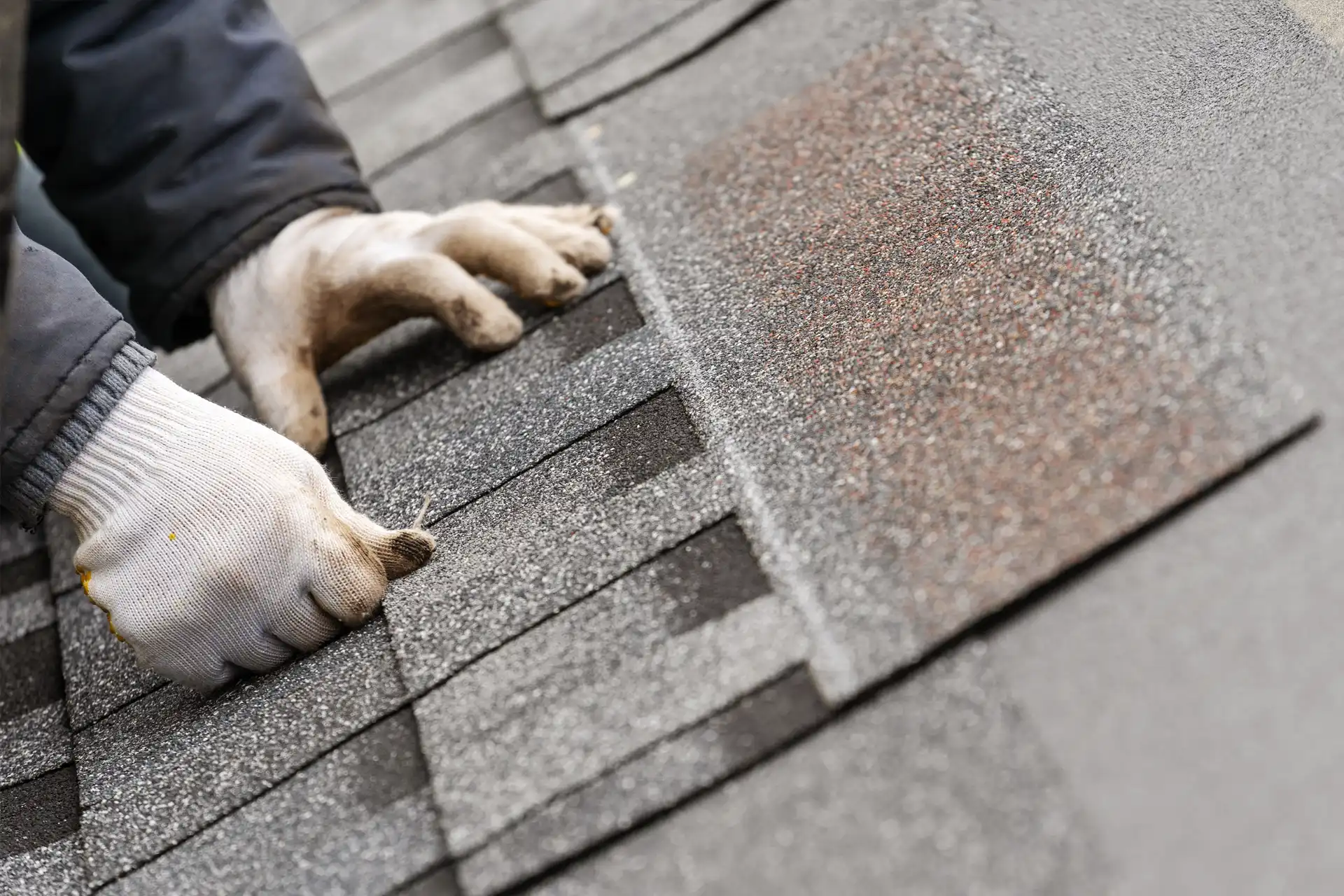
Damaged or missing shingles are among the most common roof problems homeowners experience. High winds can lift shingles or tear them away, leaving the underlayment exposed to rain. Storm damage can also crack, bend, or loosen shingles, especially if the roof is already older.
Aging shingles become more vulnerable over time. They may curl, split, lose granules, or become brittle after years of sun and weather exposure. Once shingles can no longer shed water properly, leaks can develop beneath the surface.
Improper installation can also lead to roof leak causes that show up sooner than expected. If shingles were not fastened correctly, aligned properly, or installed with the right materials, water may find its way underneath. A roofing contractor can determine whether damaged shingles can be repaired or whether they point to a larger roofing issue.
Worn or Damaged Flashing
A roof flashing leak is another common source of water intrusion. Flashing is installed around vulnerable areas where the roof meets another surface or where water needs to be directed away from openings. When flashing is loose, cracked, corroded, or poorly sealed, leaks can form quickly.
Common flashing trouble spots include chimneys, skylights, roof valleys, wall intersections, and plumbing vents. These areas handle a lot of water during storms, and even a small gap can allow moisture to seep beneath the roofing system.
Flashing problems can be difficult to diagnose without a close inspection. A leak that appears on a ceiling may have started several feet away from where the water finally became visible indoors. Professional roof leak repair can identify the actual source and prevent repeat issues.
Clogged Gutters and Poor Drainage
Your gutters are an important part of your roof’s drainage system. When gutters are clogged with leaves, twigs, pine needles, or other debris, water can back up under the roof edge or overflow onto fascia boards and siding. Over time, this can contribute to rot, staining, and leaks.
Poor drainage is especially concerning during heavy rain. If water cannot move away from the roof efficiently, it may collect near vulnerable areas and increase the risk of water intrusion. While ice is less common in many parts of Central California, colder higher-elevation areas can still experience freeze-related issues that worsen drainage problems.
Routine gutter cleaning helps protect the roof, fascia, and foundation. If your gutters overflow during rain, it may be time to have them cleaned and to have the roof edge inspected for damage.
Cracked Vent Boots and Roof Penetrations
Every pipe, vent, skylight, and HVAC component that passes through the roof creates a potential leak point. These areas rely on flashing, seals, boots, or curbs to keep water out. Over time, those materials can crack, loosen, shrink, or separate from the roof surface.
Vent boots around plumbing pipes are especially common failure points. Sun exposure and age can cause rubber or sealant materials to deteriorate. Once gaps form, rainwater can follow the pipe into the attic or wall cavities.
Roof penetrations should be checked during a professional inspection, especially after storms or if you notice interior staining near bathrooms, kitchens, laundry areas, or utility spaces.
Aging Roofing Materials
All roofing materials have a limited lifespan. As a roof ages, the materials gradually lose flexibility, strength, and weather resistance. Shingles may shed granules, metal components may corrode, sealants may dry out, and underlayment may become less effective.
Older roofs are more likely to develop leaks after heavy rain or wind because the system no longer performs as it did when new. If your roof has needed frequent repairs, the leak may be a symptom of broader deterioration rather than a single isolated problem.
A professional can help determine whether roof repair is enough or whether roof replacement would be the better long-term investment.
Storm Damage
Storms can create sudden roof damage or make existing problems worse. High winds may lift shingles, loosen flashing, or push debris into valleys and gutters. Heavy rain can expose weak points that were not noticeable during dry weather.
Fallen branches can crack roofing materials, puncture underlayment, or damage gutters. Hail is less common in some Central California communities but can still damage shingles, vents, and metal roof components when it occurs.
After a major storm, it is wise to schedule a roof inspection even if you do not see obvious damage. Some storm-related issues are hidden until the next rainfall.
Poor Roof Installation
Workmanship matters. A roof can fail earlier than expected if it was not installed correctly. Improper nail placement, poor flashing details, inadequate ventilation, incorrect underlayment, and weak sealing around penetrations can all lead to leaks.
Poor installation may not create problems immediately. In many cases, issues appear after repeated exposure to heat, wind, and rain. Homeowners may assume the roof is simply aging, when the real problem is that key components were not installed to the right standard.
Choosing an experienced roofing contractor in Hollister, CA, can make a significant difference in long-term roof performance.
How California Weather Contributes to Roof Leaks
Homes in Hollister, Gilroy, Salinas, Morgan Hill, San Jose, Monterey, and surrounding Central California communities face a wide range of weather conditions. Summer UV exposure can dry and weaken roofing materials, while seasonal rains can reveal flashing problems, drainage issues, and worn shingles.
Wind can loosen materials or drive rain beneath vulnerable areas. Temperature changes can cause materials to expand and contract, which may weaken seals over time. Tree debris can also trap moisture, clog gutters, and encourage moss growth in shaded areas.
Because local conditions vary from inland heat to coastal moisture, roof repair in Central California should be based on the specific needs of the home, its roofing material, and its exposure.
Preventing Roof Leaks
The best way to reduce the risk of roof leaks is to stay ahead of maintenance. Annual inspections allow a professional to identify minor damage before it becomes a larger problem. Inspections are also important after strong storms, high winds, or falling tree limbs.
Gutter cleaning helps keep water moving away from the roof edge. Tree trimming reduces debris, limits shade-related moisture, and helps prevent branches from scraping or striking the roof. Prompt repairs are also important because small gaps, missing shingles, or cracked flashing can worsen quickly.
Attic ventilation can also support roof performance. Proper airflow helps reduce heat and moisture buildup beneath the roofing system, which can extend material life and lower the risk of hidden damage.
Frequently Asked Questions
These common questions can help homeowners understand roof leak causes, warning signs, repair timing, and when to contact a professional roofing contractor:
What is the most common cause of roof leaks?
Damaged shingles and flashing problems are among the most common causes of roof leaks. The exact source should be confirmed with a professional inspection.
Can a small roof leak become a major problem?
Yes. Even a small leak can lead to damaged insulation, stained drywall, mold growth, rot, and structural issues if it is ignored.
Are roof leaks covered by insurance?
Insurance may cover roof leaks caused by sudden events such as storms, but coverage depends on your policy and the cause of the damage.
How can I tell where my roof is leaking?
Interior stains do not always appear directly below the leak source. Water can travel along rafters and decking, so professional inspection is recommended.
Can a leaking roof be repaired without replacing it?
Yes, if the damage is limited and the rest of the roof is in good condition. Widespread damage may require replacement.
How quickly should a roof leak be repaired?
A roof leak should be addressed as soon as possible to prevent moisture from spreading into the structure and interior of the home.
Should I inspect my roof after a storm?
Yes. A professional inspection after severe weather can identify hidden damage before the next storm causes a leak.
What happens if I ignore a roof leak?
Ignoring a leak can lead to mold, rot, damaged insulation, structural deterioration, higher repair costs, and possible interior damage.
Schedule Professional Roof Leak Repair
Roof leaks can start small, but they should never be ignored. Whether the problem is damaged shingles, worn flashing, clogged gutters, storm damage, or aging materials, Alta-Cal Roofing can help identify the source and recommend the right solution.
Contact Alta-Cal Roofing today to schedule a professional roof inspection and roof leak repair service for your Central California home.


