
How Long Does a Roof Last in Central California?
How long does a roof last? The answer depends on much more than age. While every roofing material has an expected lifespan, the true performance of your roof is shaped by installation quality, maintenance, ventilation, weather exposure, and the local climate around your home.
In Central California, homeowners deal with a mix of summer heat, UV exposure, wind, winter rain, and seasonal debris. These conditions can affect roof longevity over time, especially if small issues are not addressed early. Understanding your roof life expectancy can help you plan ahead, avoid emergency leaks, and know when it may be time to consider roof replacement.
Average Lifespan of Popular Roofing Materials
Different roofing materials age at different rates. Some are chosen for affordability, while others are selected for long-term durability, architectural style, or performance in California weather.
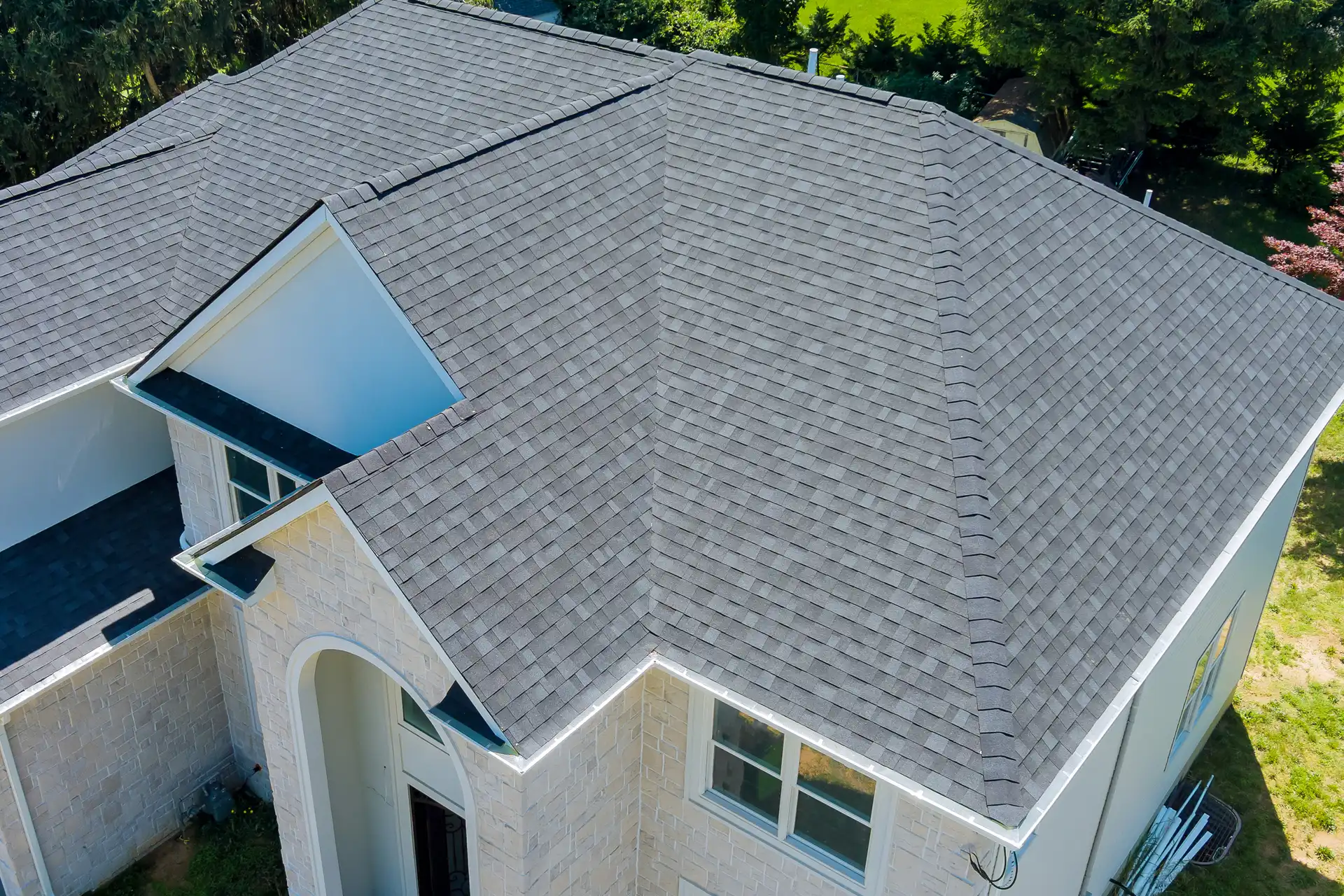
Asphalt shingles are one of the most common residential roofing options because they are cost-effective, versatile, and available in many colors and styles. The average asphalt roof lifespan is usually 20 to 30 years, though heat, sun exposure, and poor ventilation can shorten that range.
Architectural shingles are thicker and more dimensional than basic asphalt shingles. They typically offer a longer roof lifespan, often lasting 25 to 35 years with proper installation and maintenance.
Metal roofing is known for impressive durability. The average metal roof lifespan can range from 40 to 70 years, making it a strong option for homeowners focused on long-term value.
Wood shake roofing offers natural beauty and character. A properly maintained wood shake roof lifespan can reach 30 to 50 years, but maintenance is especially important because wood is more vulnerable to moisture, moss, and insect activity.
Tile roofing is one of the longest-lasting options and can last 50 to 100 years. However, the underlayment beneath tile may need attention sooner, so periodic inspections are still important.
What Affects Roof Lifespan?
Installation quality is one of the biggest factors affecting roof longevity. Even high-quality roofing materials can fail early if they are not installed correctly. Proper fastening, flashing, underlayment, ventilation, and drainage all matter.
Roof ventilation and attic insulation also play important roles. A poorly ventilated attic can trap heat and moisture, causing roofing materials to age faster. Good insulation and ventilation help regulate temperature and reduce stress on the roof system.
Routine maintenance can add years to a roof’s life. Cleaning gutters, removing debris, replacing damaged materials, and addressing small leaks early can prevent bigger problems later. Storm damage, sun exposure, tree coverage, and drainage issues can also affect how long your roof performs.
How Central California’s Climate Impacts Your Roof
Homes in Hollister, Gilroy, Salinas, Morgan Hill, Monterey, San Jose, and surrounding communities experience roofing conditions that vary by location. A home in a warmer inland area may face more intense summer heat, while a property closer to the coast may deal with more moisture and fog.
UV exposure is one of the most common causes of roof aging in California. Over time, sunlight can dry out materials, fade surfaces, and make shingles more brittle. Summer heat can also cause expansion and contraction, especially when daytime and nighttime temperatures shift.
Winter storms and seasonal rain can reveal weak spots in flashing, valleys, gutters, and aging roofing materials. Wind can loosen shingles or push debris into vulnerable areas. Fallen branches, leaves, and other seasonal debris may trap moisture on the roof, contributing to moss, rot, or premature wear if not removed.
Warning Signs Your Roof Is Nearing the End of Its Life
A roof does not always fail all at once. Often, it gives homeowners warning signs before major problems develop. Curling shingles, missing shingles, and heavy granule loss may indicate that asphalt roofing materials are wearing out.
Sagging roof sections are more serious because they can point to moisture damage or structural concerns. Leaks, interior staining, and damp attic areas should also be addressed promptly. If water is reaching the inside of your home, the roof may already have hidden damage beneath the surface.
Moss growth can be another sign of concern, especially in shaded or damp areas. While a small amount of moss may be manageable, widespread growth can trap moisture and speed up deterioration. Frequent repairs are also a warning sign. If you are calling for service every season, your roof replacement timeline may be approaching.
How to Extend the Life of Your Roof
Annual inspections are one of the best ways to extend roof life expectancy. A professional roofer can identify small issues before they turn into leaks, structural damage, or expensive repairs. Inspections are also helpful after high winds, heavy rain, or fallen branches.
Gutter cleaning is another important maintenance step. When gutters are clogged, water can back up near the roof edge and damage fascia, underlayment, and roofing materials. Tree trimming can also help by reducing debris, limiting shade-related moss growth, and preventing branches from scraping the roof.
Flashing maintenance is essential around chimneys, skylights, vents, and roof valleys. These areas are common leak points. Timely roof repairs, ventilation improvements, and storm inspections can all help protect the entire roofing system and increase roof longevity.
Repair or Replace?
Deciding whether to repair or replace your roof depends on its age, material, condition, and repair history. A newer roof with one small leak or a few missing shingles may only need targeted repair. An older roof with widespread damage, recurring leaks, heavy granule loss, or sagging may be a better candidate for replacement.
This is where a professional inspection can make the decision clearer. Alta-Cal Roofing can evaluate your roof, explain what is happening, and help you determine whether repair or replacement is the better long-term choice. For homeowners researching roof replacement Hollister CA or residential roofing Central California, honest guidance is especially important when planning a major investment.
Frequently Asked Questions
Here are questions homeowners often have about roof lifespan, maintenance, replacement timing, and how Central California weather affects different roofing materials:
How long should an asphalt roof last?
An asphalt roof typically lasts 20 to 30 years, depending on installation quality, maintenance, ventilation, and weather exposure.
Do metal roofs really last 50 years?
Yes. Many metal roofs can last 40 to 70 years when properly installed and maintained.
Does California weather shorten roof lifespan?
It can. UV exposure, summer heat, wind, seasonal rain, coastal moisture, and debris can all affect roofing materials California homeowners rely on.
How often should I have my roof inspected?
Most homeowners should schedule a professional inspection once a year and after major storms or high-wind events.
Can maintenance add years to my roof?
Yes. Cleaning gutters, trimming trees, repairing flashing, and fixing small damage early can help extend your roof’s service life.
What roofing material lasts the longest?
Tile roofing often lasts the longest, with a typical lifespan of 50 to 100 years. Metal roofing is also a long-lasting option.
Should I replace my roof before it leaks?
In many cases, yes. Waiting for a leak can allow hidden moisture damage to develop before you realize there is a problem.
How do I know when my roof has reached the end of its lifespan?
Look for curling shingles, missing materials, leaks, sagging, interior stains, moss growth, frequent repairs, or age beyond the expected lifespan of your roofing material.
Schedule a Professional Roof Inspection
Every roof ages differently. Material, installation, maintenance, ventilation, and Central California weather all influence how long your roof will last. Regular inspections and timely maintenance can significantly extend its service life and help you plan replacement before serious damage occurs.
If your roof is approaching the expected lifespan of its material, Alta-Cal Roofing can help. Schedule a professional roof inspection with our team to get clear answers and practical recommendations for your home.


